Listen to Debtors Waltz
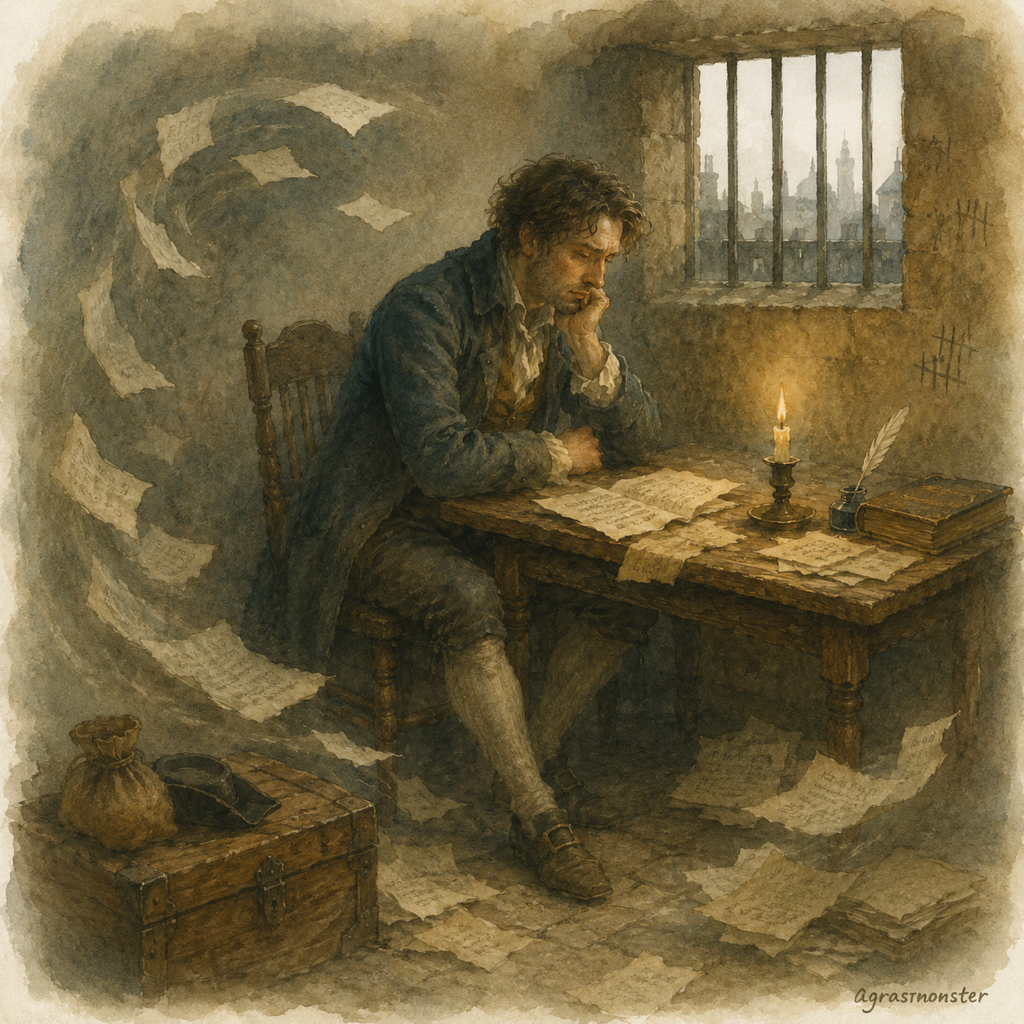 Debtors Waltz
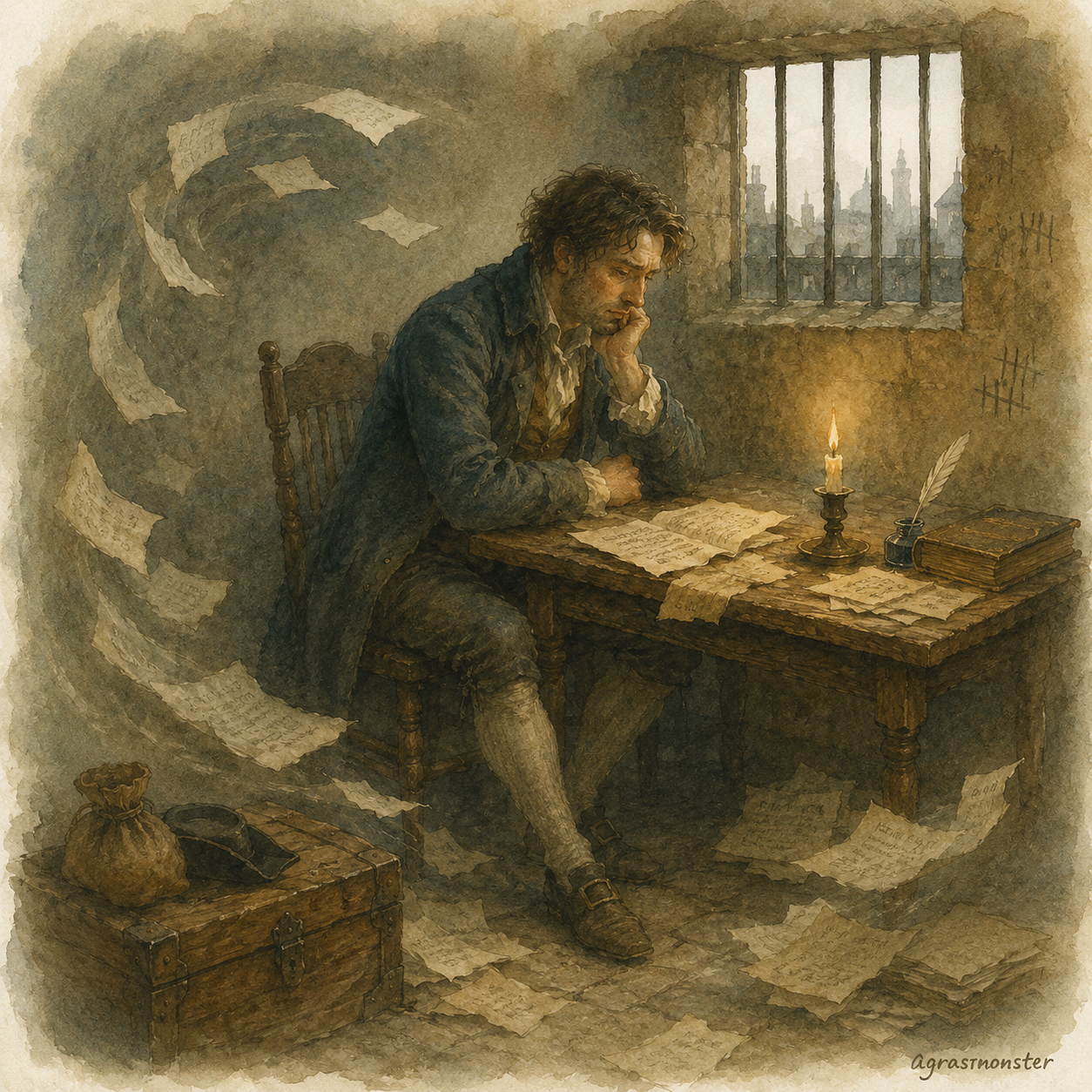
Reflecting on Daniel Defoe: A Life in Ink and Obligation
Debtors Waltz is a historical folk reflection from The Threadbare Tapes, shaped around the restless spirit of Daniel Defoe - writer, pamphleteer, debtor, survivor, and one of the great figures of English prose.
The song lingers in the shadowed space between debt and invention. It does not treat obligation merely as misfortune, but as a dance: one turn with a creditor, another with disgrace, another with the stubborn need to keep writing when the world has already begun to close its doors.
A Song That Carries the Weight of Debt and Genius
Debtors Waltz moves like slow steps on a worn wooden floor. It is no simple tale of financial misfortune. It is the dance of a man who owed more than he could easily repay, yet repaid the world in words.
Daniel Defoe, remembered for Robinson Crusoe and for a life of pamphlets, politics, trade, argument, and risk, knew the pressure of debt and the public sting of punishment. His quill became more than a tool. It became defence, currency, weapon, and bread.
The song carries the echo of that world - cold walls, unpaid accounts, public judgement, private endurance, and the scratching of ink from a man who refused to be silenced.
Daniel Defoe’s Life in Shackles and Story
Defoe’s life was a paradox: celebrated for his words, pursued for his debts, and punished for opinions that troubled the powers of his day.
Each creditor became another partner in the waltz. Each turn of obligation brought humiliation closer, yet Defoe answered with wit, invention, and survival. Where others might have seen only ruin, he found material. Where disgrace might have ended a lesser spirit, he turned it into language.
A Waltz of Obligation, A Waltz of Defiance
Debtors Waltz remembers that ruin does not always mean silence.
Defoe knew the weight of debt, the bite of public judgement, and the need to keep moving even when dignity itself seemed pawned. Yet he continued to write, argue, imagine, and endure.
The song walks slowly and deliberately, as though carrying a man’s whole lifetime within it. Each note feels like another stitch in the fabric of survival - sometimes threadbare, sometimes dazzling, always refusing to break.
Why the Story Still Matters Today
Debt still binds lives. Obligation still presses down on the spirit. Shame still finds its way into the room long before mercy arrives.
That is why Debtors Waltz reaches beyond Daniel Defoe. It speaks to anyone cornered by circumstance, anyone who has watched the ledger grow heavier, anyone who has had to find courage while the world counted only what was owed.
The song suggests that imagination may outlast the creditor, and that a story, once written deeply enough, may survive chains, judgement, and time itself.
Final Thoughts
Debtors Waltz is not only about a ruined man. It is about resilience, irony, and the audacity of laughter in the face of hardship.
It reminds us that even when the world calls someone debtor, failure, or fraud, the final account may not belong to money at all. A life may yet leave behind something greater than coin: a legacy written in ink, obligation, wit, and survival.
Connection to the Song
Within The Threadbare Tapes, Debtors Waltz stands as a song of debt, disgrace, imagination, and endurance. It turns the pressure of obligation into rhythm, and the shame of ruin into a dance that refuses to stop.